Interview assessment tests have become a crucial component in the hiring landscape, serving as a strategic tool to evaluate candidates beyond traditional interviews. These assessments not only help employers gauge skills and competencies but also align hiring practices with organizational goals, making them an essential part of effective talent management.
From understanding various types of tests to exploring innovative methods that enhance recruitment processes, this discussion aims to provide valuable insights. We’ll also delve into how cultural differences impact assessment practices globally and how technology is revolutionizing the way assessments are conducted.
Understanding Interview Assessment Tests
Interview assessment tests play a pivotal role in the hiring process, designed to streamline decision-making and enhance the quality of candidates selected for a position. These tests not only evaluate a candidate’s skills and competencies but also help employers determine cultural fit and potential for growth within the organization.Different types of interview assessment tests are commonly used, including cognitive ability tests, personality assessments, and skills-based evaluations.
Cognitive tests assess problem-solving and logical reasoning abilities, while personality assessments provide insights into behavioral traits and how candidates might interact with team members. Skills-based tests, on the other hand, directly measure job-specific skills through practical tasks or simulations.The implementation of these tests comes with both advantages and disadvantages. On the positive side, they can lead to more objective hiring decisions and reduce biases that might occur in traditional interviews.
However, they might also discourage some candidates who may not perform well under test conditions, potentially causing organizations to miss out on talented individuals who excel in practical settings.
Business Innovation and Interview Assessment Tests
Innovative assessment methods are reshaping traditional interview processes, allowing companies to better gauge the skills and potential of candidates. For example, some organizations have begun using gamified assessments, which engage candidates in interactive scenarios that mimic actual job tasks. This approach not only makes the assessment experience more enjoyable but also provides employers with deeper insights into a candidate’s approach to problem-solving and teamwork.Companies like Google and Unilever have successfully integrated innovative assessment tests, leading to improved candidate experiences and more effective hiring outcomes.
By utilizing technology, such as AI-driven assessments, these firms have modernized their recruitment processes, ensuring they attract the best talent while maintaining efficiency.Modern technology plays a crucial role in enhancing interview assessments. Tools such as online assessment platforms allow recruiters to administer tests remotely, giving candidates flexibility and convenience. Additionally, data analytics can help employers interpret test results more effectively, identifying patterns that predict successful hires.
International Business Perspectives on Interview Assessment Tests
Interview assessment practices vary significantly across cultures in international business settings. In Western countries, there is often a strong emphasis on cognitive ability tests, while in Asian cultures, assessments may focus more on personality traits and teamwork. Understanding these cultural nuances is essential for companies operating globally, as it can impact the effectiveness of their recruitment strategies.One of the main challenges faced when standardizing tests for global recruitment is ensuring cultural relevance.
A test that is effective in one region may not resonate in another due to differing societal values and norms. Additionally, local regulations can significantly impact how assessments are conducted, requiring companies to adapt their methodologies to comply with regional laws.
The Role of Interview Assessment Tests in Business Management
Interview assessments are integral to effective talent management strategies, helping organizations identify candidates who align with their long-term goals. By aligning assessment tests with organizational objectives, businesses can ensure that they select candidates who not only possess the necessary skills but also fit well within the company culture.Several case studies illustrate the positive impact of structured assessments on business performance.
Companies that have implemented competency-based assessments report higher employee retention rates and improved job satisfaction among staff. For instance, a multinational corporation that introduced a rigorous assessment framework saw a noticeable increase in productivity, as employees felt more aligned and motivated in their roles.
Enhancing Job Search Techniques with Interview Assessment Tests
Candidates can significantly boost their job search success by adequately preparing for interview assessments. Understanding the types of tests they may encounter allows job seekers to tailor their preparation strategies effectively. For example, if a candidate knows they will face a cognitive ability test, they can practice relevant problem-solving exercises in advance.To effectively showcase their skills during assessments, candidates should focus on providing concrete examples of their past experiences.
This could involve preparing a portfolio of work or practicing responses to common assessment scenarios. Moreover, engaging in mock assessments can help candidates become comfortable with the test format and environment, ultimately boosting their confidence.
Marketing Direct and Interview Assessment Tests
Marketing agencies utilize interview assessments to identify creative talent, focusing on skills that are essential for success in the industry. Key competencies evaluated include creativity, analytical thinking, and communication skills. These assessments often involve practical tasks such as developing a marketing campaign or analyzing case studies.Specific criteria for assessments in the marketing industry might include the ability to generate innovative ideas, work collaboratively in teams, and present concepts effectively.
By focusing on these skills, agencies can ensure they are selecting candidates who are not only capable but also fit well within the fast-paced marketing environment.
Business Networking and Interview Assessment Tests
Networking strategies play a vital role in connecting professionals over shared experiences with assessment tests. For instance, attending industry conferences or workshops can provide opportunities to discuss best practices and gain insights into the latest assessment trends. Such interactions can enhance understanding of different assessment methodologies and their effectiveness.Networking can also facilitate the exchange of personal stories related to assessment experiences, offering valuable lessons learned and strategies for success.
Professionals who have navigated assessments successfully often share tips that can help others improve their performance during similar tests.
Business Outsourcing and Interview Assessment Tests
Outsourcing firms implement assessment tests to maintain service quality and ensure that candidates possess the necessary skills to perform in remote roles. These assessments often focus on evaluating technical competencies as well as soft skills like communication and adaptability.However, assessing candidates remotely poses unique challenges, such as ensuring the integrity of test results and creating a reliable evaluation environment. Best practices for conducting assessments in outsourcing scenarios include implementing secure online testing platforms and providing candidates with clear instructions to minimize confusion.
Effective Business Presentations Related to Interview Assessments
Designing a presentation that underscores the importance of interview assessments in recruitment requires a clear structure and compelling content. A persuasive presentation aimed at stakeholders should include an overview of the assessment process, the rationale behind specific tests, and the expected outcomes of implementing these strategies.Engagement during presentations can be enhanced through interactive elements, such as live polls or Q&A sessions.
Using real-life examples and success stories from within the organization can also bolster the case for assessment strategies, making the content more relatable and impactful.
Improving Business Productivity through Effective Hiring
Effective assessment tests can lead to improved hiring decisions, ultimately boosting overall productivity within organizations. By ensuring that the right candidates are selected for the right positions, companies can foster a more engaged and motivated workforce.Evaluating the effectiveness of assessment tests can be done through various metrics, such as turnover rates, employee performance, and overall satisfaction levels. Success stories from organizations that have refined their hiring practices show a direct correlation between structured assessments and increased productivity, highlighting the value of investing in effective recruitment strategies.
Interview Assessment Tests in the Restaurant Industry
In the restaurant industry, specific skills are often assessed through tests for management positions, focusing on areas such as customer service, team leadership, and operational management. Given the high-pressure nature of the industry, assessments that simulate real-life scenarios can be particularly effective in identifying suitable candidates.Customer service assessments are critical in restaurant hiring, as they gauge a candidate’s ability to handle difficult situations and maintain positive interactions with guests.
Tailoring interviews for roles in the restaurant industry often involves practical demonstrations, such as role-playing customer interactions or managing kitchen operations.
Resumes and Cover Letters in the Context of Assessment Tests
To align resumes and cover letters with the skills relevant to assessment tests, candidates should emphasize their experiences that showcase assessment-related skills. Highlighting specific accomplishments related to previous assessments or relevant projects can demonstrate readiness and competence.Showcasing assessment-related skills in application materials is vital, as it sets candidates apart from others who may not effectively communicate their strengths. Templates for resumes and cover letters that focus on skills and experiences aligned with assessment requirements can provide candidates with a competitive edge in their job search.
Interview Assessment Tests in Business Retail
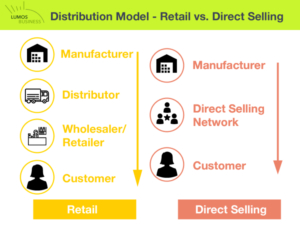
Key competencies assessed in retail interviews often include customer service skills, sales ability, and problem-solving capabilities. These assessments are designed to predict success in customer-facing roles, where interpersonal skills and the ability to handle transactions are crucial.Best practices for designing retail-specific interview assessments involve creating scenarios that reflect real-world situations encountered on the job. By incorporating role-play exercises or situational judgment tests, employers can better evaluate how candidates might perform in the dynamic retail environment.
Risk Management and Interview Assessment Tests
Interview assessments play a significant role in identifying candidates for sensitive or high-risk positions, particularly in industries such as finance, healthcare, and security. Evaluating risk management abilities during interviews requires specific strategies, such as situational assessments that challenge candidates to respond to potential crises.Developing risk-focused assessment tests for specific roles involves outlining the critical competencies required for effective risk management.
This could include evaluating decision-making abilities, crisis communication skills, and the capacity to analyze and mitigate potential risks effectively.
Sales Management and Interview Assessment Tests
Designing assessment tests that effectively evaluate sales skills is essential for organizations seeking to build strong sales teams. Assessments should focus on critical competencies such as negotiation skills, product knowledge, and the ability to build relationships with clients.Successful sales recruitment strategies often incorporate assessments that simulate real-world sales scenarios, allowing candidates to demonstrate their abilities in a practical context. By observing how candidates react in these simulated environments, employers can gain valuable insights into their potential performance.
Sales Training and Interview Assessment Tests
Key areas of sales knowledge that should be assessed during interviews include understanding customer needs, product features, and competitive analysis. Integrating assessment results into sales training programs allows organizations to tailor training efforts based on individual strengths and weaknesses.Continuous assessment of sales skills post-hire can be achieved through regular performance evaluations and providing ongoing training opportunities. This approach ensures that sales professionals remain equipped with the necessary skills to succeed in a rapidly changing marketplace.
Understanding Business Security through Assessment Tests
Evaluating candidates for roles related to business security is significant in ensuring that organizations can protect their assets and information. Security-related interviews typically assess skills such as risk assessment, emergency response planning, and knowledge of security protocols.Creating security-focused interview assessments involves developing scenarios that challenge candidates to demonstrate their understanding of security measures and their ability to respond to potential threats.
This targeted approach ensures that only qualified candidates are selected for critical security roles.
Supporting Small Businesses with Effective Interview Assessments
Small businesses can leverage assessments for hiring even without extensive resources, utilizing affordable tools and methods tailored to their needs. Simple yet effective assessments, such as peer interviews and practical tasks, can help small businesses identify the right talent without incurring high costs.Success stories of small businesses that have benefited from structured assessments highlight how even limited resources can lead to effective hiring outcomes.
By focusing on clear criteria and creating a positive candidate experience, small businesses can attract and retain top talent.
Interview Assessment Tests for Solo Professionals
Solo professionals face unique challenges in self-assessment during interviews, as they must effectively showcase their skills without the backing of a larger organization. Creating personal assessments that highlight individual strengths and experiences can help these professionals stand out in a competitive landscape.Strategies for self-promotion that complement assessment tests include developing a strong personal brand and engaging in thought leadership within their industry.
By effectively communicating their expertise and unique value proposition, solo professionals can enhance their appeal to potential clients or employers.
Strategic Planning and Interview Assessment Tests
Aligning recruitment strategies with business goals through assessment tests is essential for organizations looking to build a cohesive workforce. Effective frameworks for incorporating assessments into long-term strategic hiring plans should consider factors such as organizational culture, employee development, and market demands.Metrics for measuring the effectiveness of assessments in achieving strategic objectives might include tracking the success rate of hires, employee retention, and overall team performance.
By regularly evaluating these metrics, organizations can refine their assessment processes to better align with evolving business goals.
Team Building and Interview Assessment Tests
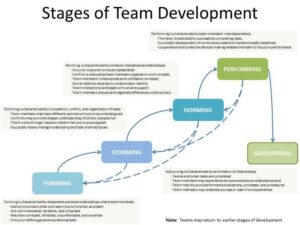
Interview assessments can identify candidates who enhance team dynamics by evaluating interpersonal skills and collaboration abilities. Personality assessments, in particular, can provide insights into how potential hires might fit within existing teams and contribute to a positive working environment.Creating team-oriented interview scenarios allows hiring managers to observe candidates in collaborative settings, enabling them to assess communication skills, conflict resolution, and adaptability.
This approach helps ensure that new hires will not only excel in their individual roles but also complement the strengths of their teammates.
Venture Capital and Interview Assessment Tests
Venture capital firms evaluate candidates for startups using assessments that focus on entrepreneurial mindset and adaptability. The importance of identifying individuals who can thrive in dynamic environments is crucial, as startup success often hinges on the ability to pivot and innovate.Case studies of venture-backed companies that have successfully used assessments in hiring demonstrate the effectiveness of targeted evaluation methods. By focusing on qualities such as resilience and strategic thinking, these firms can select candidates who are well-suited for the challenges of startup life.
Workplace Communication and Interview Assessment Tests
Assessments can evaluate candidates’ communication skills relevant to the workplace, an essential competency for success in most roles. Key communication competencies might include verbal and written communication, active listening, and the ability to convey complex information clearly.Creating communication-focused interview scenarios allows employers to assess how candidates might perform in real-life interactions with colleagues and clients. By simulating typical workplace situations, hiring managers can gain insights into a candidate’s communication style and effectiveness.
Addressing Workplace Safety through Assessment Tests
Assessing candidates’ awareness of workplace safety protocols during interviews is vital for ensuring a safe working environment. Best practices for evaluating safety-related knowledge and behaviors involve incorporating practical scenarios that challenge candidates to demonstrate their understanding of safety measures.Examples of safety assessments tailored for specific industries might include simulations of emergency situations or discussions about safety regulations. These tailored approaches ensure that candidates are not only aware of safety protocols but also equipped to implement them effectively in their roles.
Wrap-Up
In summary, interview assessment tests play a pivotal role in refining the hiring process, ensuring that organizations can identify the best talent effectively. By integrating comprehensive assessment strategies, companies can enhance their recruitment efforts, leading to improved overall productivity and job satisfaction for both employers and employees alike.
FAQ Section
What are interview assessment tests?
Interview assessment tests are standardized evaluations used during the hiring process to measure candidates’ skills, competencies, and suitability for specific roles.
How do I prepare for an interview assessment test?
Preparation involves understanding the types of tests you may encounter, practicing relevant skills, and familiarizing yourself with the job description to align your responses with what the employer seeks.
Are interview assessment tests always used?
No, not all companies use interview assessment tests. Their usage depends on the organization’s hiring strategy and the specific role being filled.
Can interview assessment tests predict job performance?
While they can provide insights into a candidate’s potential, no assessment test can guarantee future job performance as various factors contribute to success in a role.
What types of skills are assessed in these tests?
Skills commonly assessed include technical abilities, problem-solving skills, communication capabilities, and sometimes personality traits that align with team dynamics.